


Ask most employers what a bad hire costs. They’ll usually name the salary they paid before someone left. The real number is a lot higher. It stays mostly invisible until you go looking for it.
The headline figures
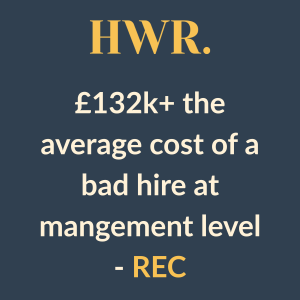
CIPD research puts the minimum cost of a failed junior hire at £8,000–£12,000. That figure counts recruitment fees, onboarding, and lost productivity. Step up to management level, and the REC’s estimate climbs to around £132,000 on average. That factors in team performance and the manager’s own lost time. Take a £55k finance manager who leaves within six months. Direct costs alone can run past £30,000 — before you’ve even re-run the search.
It’s not just money
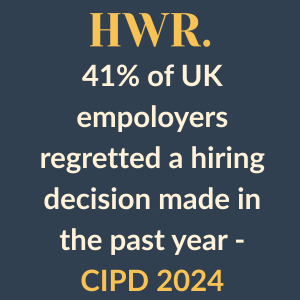
The most expensive part rarely shows up on an invoice. Poor performers absorb roughly 17% of a manager’s month just in oversight, according to Robert Half’s research. That’s time that isn’t going into the rest of the team, client work, or actually growing the business. CIPD’s 2024 survey found 41% of UK employers had made a hiring decision in the past year they later regretted. That’s not a small minority getting it wrong occasionally. It’s close to half.
Where it actually goes wrong
In finance and accounts specifically, the mistakes I see most often aren’t about technical ability. They’re about fit with the team, the pace of the business, or expectations nobody made clear at interview stage. A candidate can look perfect on paper and still be the wrong hire. That happens when nobody checks whether they’d thrive in how your team actually works.
What actually reduces the risk
Rushing the process faster doesn’t solve any of this — it tends to make bad hires more likely, not less. A properly structured interview solves it instead. So do honest conversations about the role’s real demands, and reference checks that go beyond a box-ticking exercise. That’s also, frankly, part of what a specialist recruiter is for. They know the sector well enough to spot a mismatch before an offer goes out. That’s not the same as noticing after someone hands in their notice at month four.
A bad hire rarely announces itself in the interview. It shows up three months later, in the things nobody thought to ask about beforehand.
Heidi